Cahaba's 2nd Chance: Narratives of Recovery
Nestled along the shores of the Cahaba River lies a narrative of strength and rebirth that embodies the soul of revitalization. The town of Cahaba, once a thriving town, has faced its fair share of struggles over the years. Yet, through the dedicated efforts of guardians of nature, residents, and environmental supporters, the area is experiencing a rebirth. This reawakening is not just about restoring its natural beauty; it is a testament to the impact of community-driven initiatives to restore both the environment and the historical essence of Cahaba.
mold removal Birmingham AL Cahaba Restoration !2d-86.83605639999999!3d33.4467099!2m3!1f0!2f0!3f0!3m2!1i1024!2i768!4f13.1!3m3!1m2!1s0x88891fb4119e1061%3A0xf9babe59eb339f50!2sCahaba%20Restoration!5e0!3m2!1sen!2s!4v1782758960628!5m2!1sen!2s” width=“600” height=“450” style=“border:0;” allowfullscreen=“” loading=“lazy” referrerpolicy=“strict-origin-when-cross-origin”>
The Cahaba Restoration project is more than a project; it is a movement that speaks to the heart of sustainable care. The initiative aims to restore the natural health of the Cahaba River and its adjacent habitats while honoring the deep legacy of the area. From improving water quality to restoring native habitats, the efforts highlight a shared commitment to preserving the natural wonders for the next generations. As we dive deeper into the tales of renewal unfolding in the area, we reveal how resilience, optimism, and teamwork can breathe new life into a beloved landscape.
Historical Relevance
Cahaba, once the capital of Alabama, holds a unique role in the history of Alabama past. Established in water extraction services near Birmingham AL Cahaba Restoration of the 19th century, it was deliberately located at the confluence of the Alabama and Cahaba Rivers, which enabled trade and logistics. Its early growth was propelled by its rich land and nearness to bodies of water, drawing settlers and traders. The town flourished in its early years, showcasing its value as a legislative and commercial hub during the pre-Civil War period.
The Civil War marked a critical juncture for Cahaba, as it became the site of a secessionist prison. After the conflict, the town faced significant challenges, including damage from flooding and a declining population. However, the traces of its past importance persisted, acting as a symbol of both its better days and the trials it endured. The buildings and sites from this time reflect the cultural and legislative transitions that defined the locale and are essential for grasping Alabama’s past.
In the past years, projects towards Cahaba Restoration have gained momentum, concentrating on protecting its past while encouraging eco-friendly growth. The renewal of heritage sites and the upgrading of environmental features highlight the town’s promise for renewal. This blend of revitalization and advancement merely celebrates the town’s rich heritage but also lays the groundwork for a dynamic future, guaranteeing that Cahaba remains a significant chapter in Alabama’s chronicle.
Revitalization Initiatives
The Cahaba’s rehabilitation has been a collaborative journey involving nearby communities, environmental organizations, and state agencies. These participants have come together to tackle ecological issues like bank erosion, pollution, and habitat degradation. By organizing clean-up events, habitat restoration projects, and educational programs, they strive to foster a deeper connection between people and this vital waterway. Their commitment reflects a shared conviction in the value of preserving natural resources for future generations.
In the past few years, remarkable progress has been made in restoring the Cahaba's natural habitats. Efforts have included sowing indigenous vegetation along riverbanks to stabilize soil and improve water quality. Additionally, programs have focused on removing invasive species that threaten local ecosystems. These actions not only enhance biodiversity but also create healthier environments for fish, birds, and other wildlife that depend on the river. The outcomes have been encouraging, with significant improvements in both the river's health and the surrounding landscapes.
Local involvement is a cornerstone of the Cahaba rehabilitation efforts. Local community members are increasingly participating in volunteer programs that promote conservation awareness and active activities. Schools and educational institutions have also joined the cause, incorporating outdoor learning experiences that teach students about the ecological importance of the Cahaba River. By engaging people from all walks of life, these initiatives help to build a stronger stewardship ethic within the community, ensuring that the river and its ecosystems receive the attention they deserve.
Community Impact
This Cahaba Restoration effort has had a deep impact on the surrounding area, fostering a fresh sense of pride among residents. Engaging neighborhood residents in the restoration efforts has not only given them with useful skills but has also strengthened relationships among local residents. As they come together to revitalize their surroundings, they cultivate a common goal for a more sustainable future.
Aside from the contributions of individuals, the project has spurred business growth in the local area. As the aesthetic appeal of the Cahaba waterway is renewed, more visitors are drawn to the area, resulting in boosted commerce for community businesses and services. Events centered around conservation and learning attract visitors, creating opportunities for employment and fostering a sense of local participation. This rise in business fosters a chain of sustainability and backing of the regional economy.
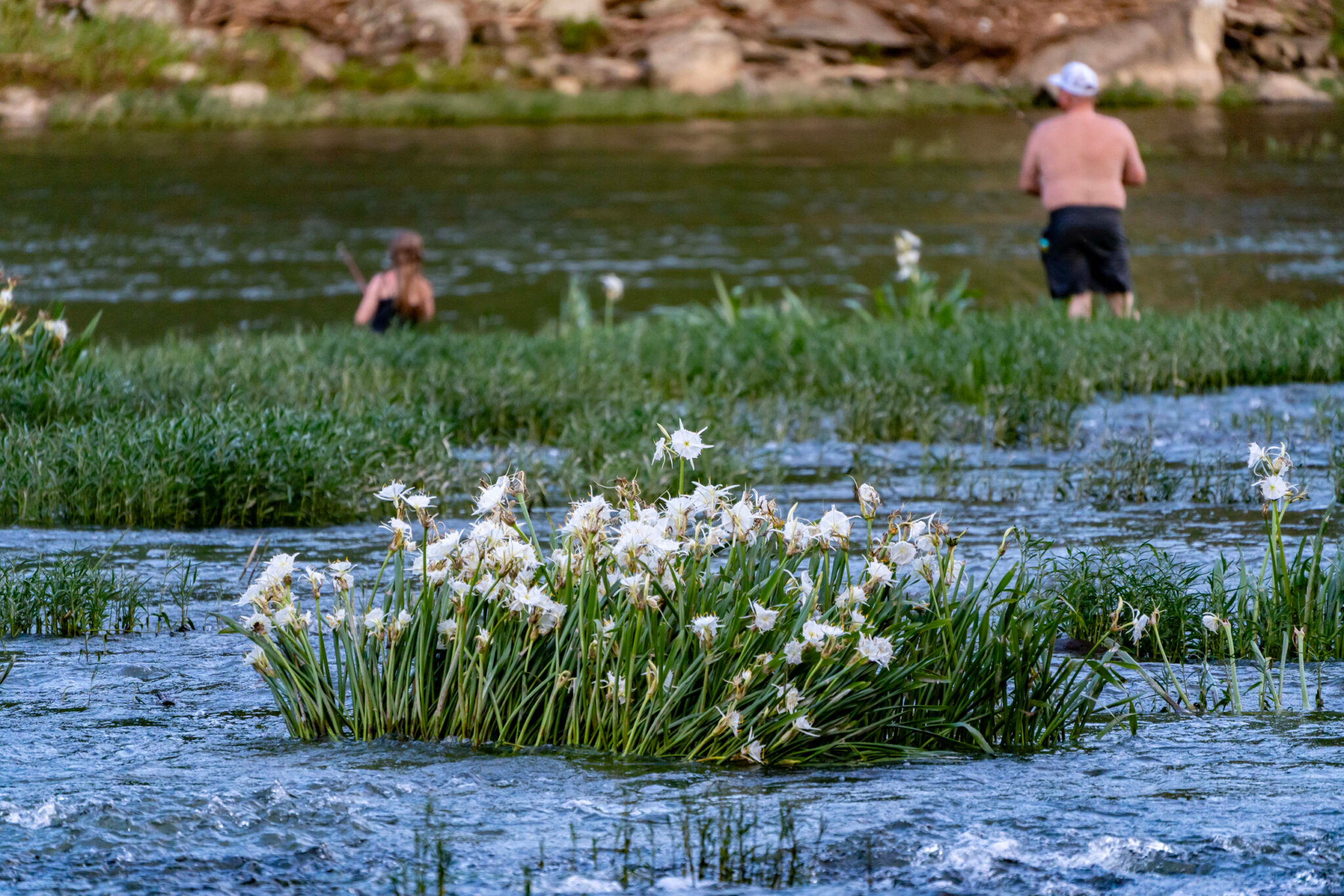
Moreover, the impact on the environment cannot be overstated. Restoration efforts have led to better the quality of water, restored habitats, and increased animal and plant diversity. These changes not only benefit animal life but also improve community strength against ecological threats. With a healthier ecosystem, local people can enjoy outdoor activities and strengthen their bond to nature, ultimately leading to a improved quality of life for all.
Address: 272 Snow Dr #101, Birmingham, AL 35209, United States Phone: +1 205-961-3688 Hours: Open 24 hours